What We’ve Learned About Building Businesses That Last
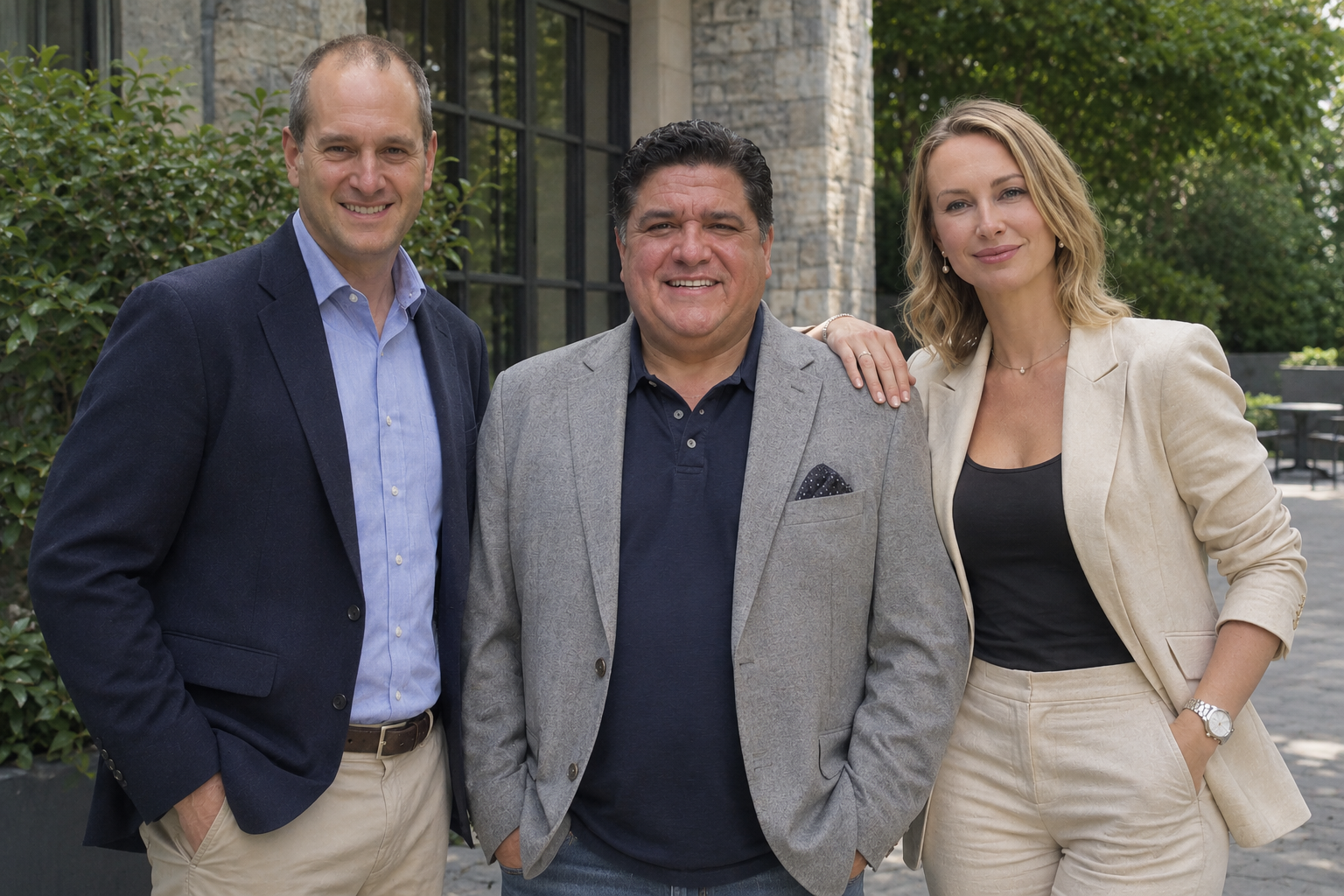
For more than sixty years, the Pritzker family has built businesses across industries, from manufacturing and banking to cruise operations. Hyatt is still the name most people know. I’m proud to be part of a family that has built so much, and I feel a responsibility to learn how it was done.
People often point to Warren Buffett and Berkshire Hathaway as the model for buying whole companies. My family was buying and building businesses long before I understood what an acquisition was. Growing up, my parents and older relatives taught me to pay attention to how a company actually runs, to protect its reputation, and to think about the people who will be there long after a deal closes. Money matters, of course. But a business also carries years of work that won’t show up neatly in a purchase price.
I see that approach in my uncles, JB and Tony Pritzker. JB has talked about growing up around the family’s motel business. He watched his parents sell rooms, and he saw his father personally persuade visiting executives to stay at Hyatt. That detail has stayed with me. A hotel chain can become enormous, but someone still has to care whether a guest wants to come back.
When JB and Tony speak with the owner of a family business, they understand that selling can be a deeply personal decision. The owner may be ready to step away and still care fiercely about the company’s name, its employees, and what happens ten or twenty years from now. My uncles offer the freedom to plan for that longer future. They can shape a deal around a family’s needs, then keep investing in the business after the papers are signed.
The way a company treats its employees tells you a great deal about its plans. When leaders see people only as a cost, every raise hurts and training is an easy expense to cut. When they see people as an investment, fair pay helps them keep the experience they’ve spent years building, and training gives the company skills it will need later. I’ve seen how hard it is for a business to grow when it keeps losing the people who know how the work gets done.
Pritzker Group has put that thinking to work across a wide range of companies, including Entertainment Cruises, PECO Pallet, and Clinical Innovations. Its venture team has also backed more than a hundred startups. The businesses have little in common on the surface. Each one asks the same practical questions, though. What does it need to grow? Who understands it best? Where should we invest next?
Our family has had difficult chapters, too. Marmon was sold to Berkshire Hathaway in 2007, and Hyatt went public in 2009. Through those changes, JB and Tony built their own working partnership. JB brought experience in investment banking and venture capital to the deals. Tony had worked inside Marmon’s companies and knew what operating one demanded day after day.
They still get close to the work. They’ve gone to trade shows to support companies in the group, including one that makes the cardboard sleeves people put around hot coffee cups. I love that image. You can spend the morning discussing a major acquisition and the afternoon talking about the little sleeve that lets someone carry a coffee without burning her hand. Both conversations belong in the business.
My family has also taught me that a famous name won’t make a good decision for you. You have to learn the work and listen to people who know more than you do. That’s why JB and Tony brought in experienced investors and operators, including Paul Carbone, to help build the group. It’s a lesson I keep coming back to. If we want a company to be stronger years from now, we have to care about the people running it today.